Social Media Ban for Teenagers: they access less news
May 24, 2026
Before the Social Media Ban was put in place in December 2025, among various concerns, was teenagers would consume less news.
1007 teenagers aged 10 -17 were surveyed in February 2026, only two months after the ban, but even in that short period, they reported they were getting less news and fewer opportunities to discuss issues that were important to them.
In parallel, ACARA researchers have found school students' civic knowledge is the lowest it's been in the 20 years of testing and that news interest engagement is closely associated with civic engagement.
But, reduced access to social media won't mean they turn to traditional sources. They suggest the key is trust and education. It's up to us to develop media literacy that highlights the link between the importance of news and the democratic process and, equally, to lobby news organisations to represent young people more often.
See the whole article in the conversation, here
Image: nothing to do with Social Media Ban, we just liked the image - Diamond Heist Workshop incursion, Sydney and surrounds.
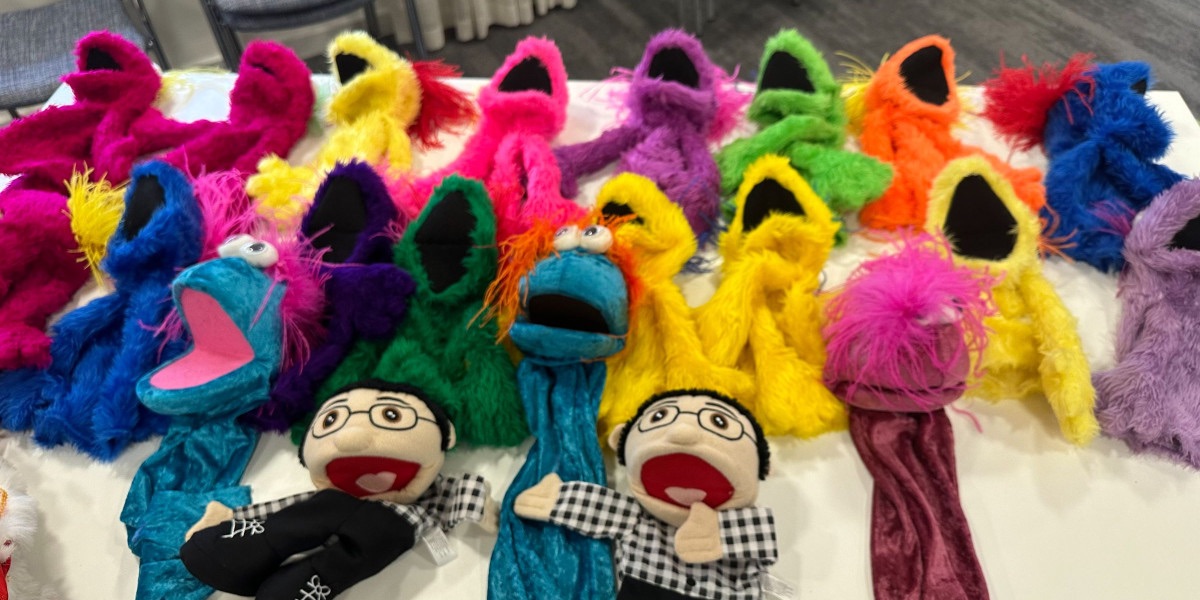
Puppetmaking? In Melbourne or Sydney?
Great activities for Term 4- In Sydney - Aussie Puppetry Experience - Sydney/ACT, incursion K-4.
Hands-on Puppet Workshop, Victoria, P-6 (Image above)
Other puppet ideas here
Read more →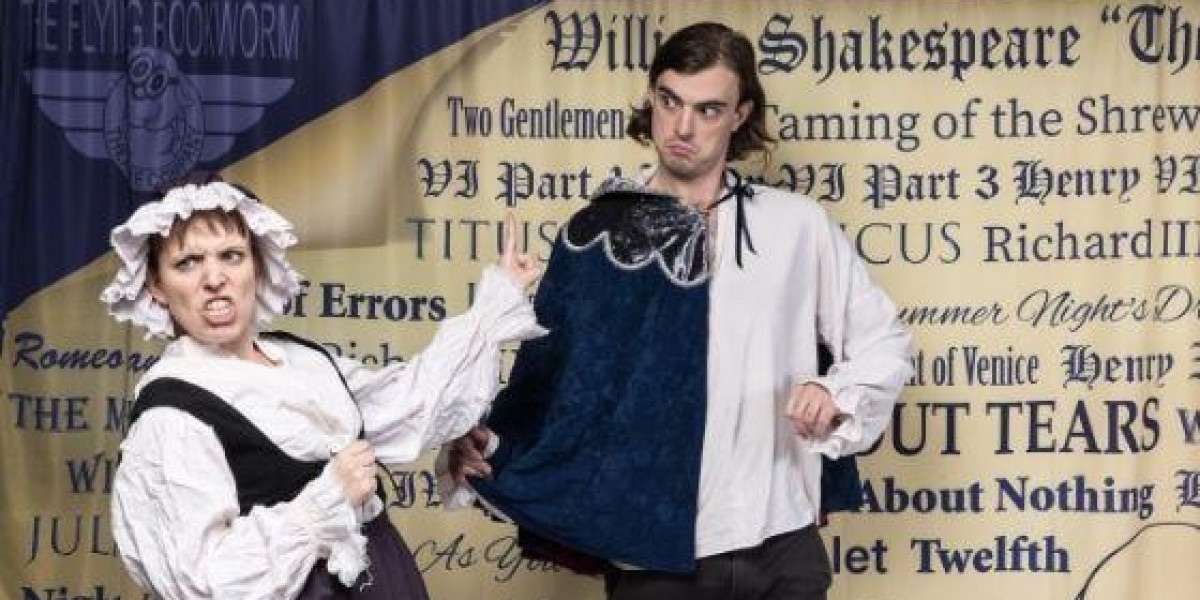
Flying Bookworm Theatre - primary and secondary incursions
There are very few incursion companies catering both to primary and secondary students. One is Flying Bookworm Theatre, who encourage delight in English and Drama for all audiences, though their focus is more for secondary students.
Touring is to Qld, NSW, ACT and Victor
Read more →
Last week of school for NSW/ACT, WA, SA!
They'll join Vic, Qld who had their first holiday sleep-in today.
Read more →