What will make retention rates from Year 10 to Year 12 improve further?
Jun 02, 2026
Recent data shows the retention from Yr 10 to Yr 12 is 81.5%, about the same as since before the pandemic.
Although it sounds good, it means almost 20%of students don't finish school. Does this matter? Research does show completing Year 12 has a swathe of positive effects on students' lives, including better employment prospects, higher lifetime earnings, and stronger health and wellbeing.
This article in The Conversation suggests there are 3 ways to retain students:
- Effective teaching
- reducing difficulty with initial learning
- giving opportunity to practice and improve
- Classroom Management
- clear rules and routines so students know what to expect.
- building on what students do well rather than focusing on what they can't.
- Good Teacher - Student Relationships
- building warm, respectful relationships with students.
- if students feel known and supported by their teachers, they are more willing to engage and stay connected to school.
Read the whole article here
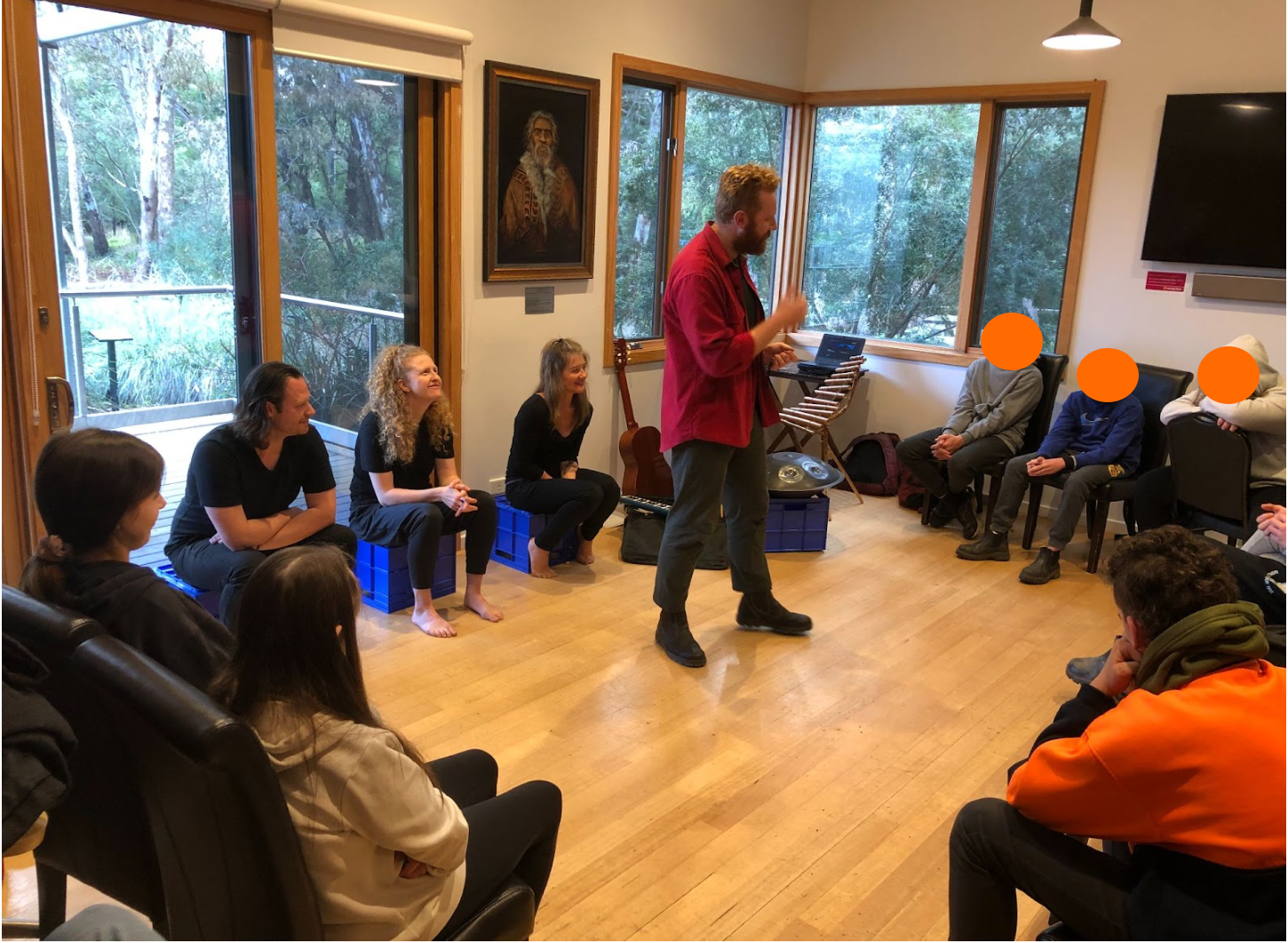
Image: Play-back your world, Melbourne Playback Theatre
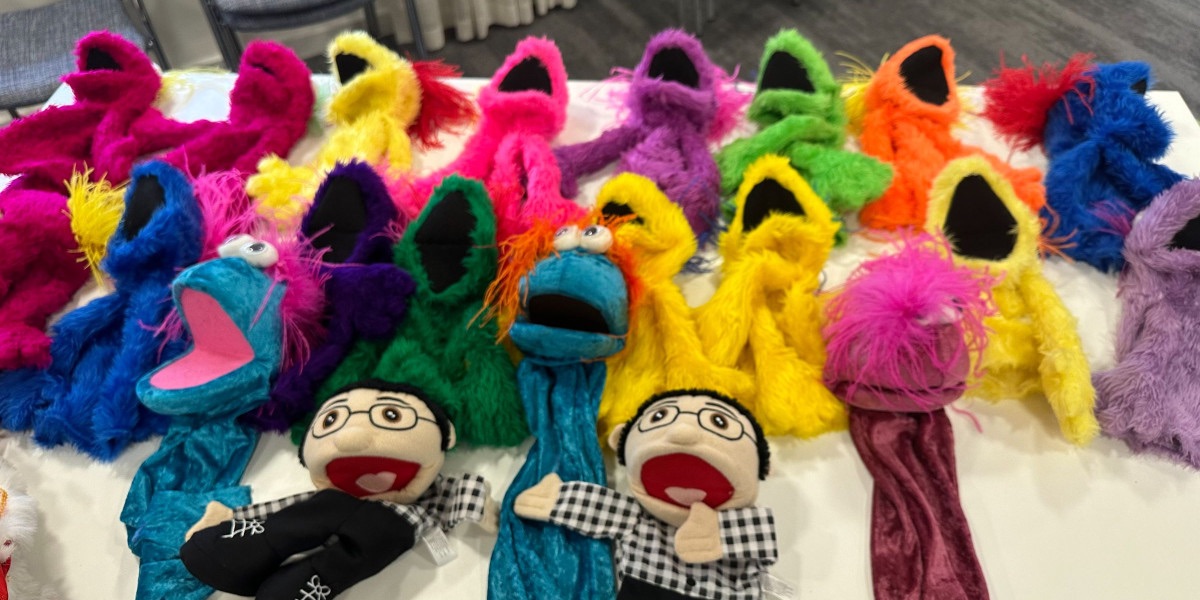
Puppetmaking? In Melbourne or Sydney?
Great activities for Term 4- In Sydney - Aussie Puppetry Experience - Sydney/ACT, incursion K-4.
Hands-on Puppet Workshop, Victoria, P-6 (Image above)
Other puppet ideas here
Read more →
Flying Bookworm Theatre - primary and secondary incursions
There are very few incursion companies catering both to primary and secondary students. One is Flying Bookworm Theatre, who encourage delight in English and Drama for all audiences, though their focus is more for secondary students.
Touring is to Qld, NSW, ACT and Victor
Read more →
Last week of school for NSW/ACT, WA, SA!
They'll join Vic, Qld who had their first holiday sleep-in today.
Read more →