
Great Stories About Kids Seeing Shows
May 08, 2016
Image: from Possum Magic, written by Mem Fox, illustrated by Julie Vivas
Possum Magic and One Little Boy
It's often hard to know what impact taking students to see a show has on them. Send us in any reactions you know about. Here's a story where the impact was very clear, from Garry Ginivan of Garry Ginivan Attractions (GGA)
Since it's first production by GGA in 1993, Possum Magic has played to over one million Australians. This is the story of just one.
"In 2008, we were touring Possum Magic again. In Gladstone, in Queensland, there were some students from a special school in the audience. One little boy in a wheelchair had shown no reaction to anything for 2 years. During the show, he started to smile, by the end of the show, he was dancing in his wheelchair. All the accompanying teachers were in tears. They couldn't believe it, they'd never seen him even smile before. That's why we know about it. They were so moved, they told the crew and theatre staff and there were lots of photos taken. Makes it all worthwhile.
Ed: Thanks Garry! Send us more stories. This year GGA are touring There's A Hippopotamus On Our Roof Eating Cake

Christmas Shows - Eastern States
If you haven't already booked a show to celebrate the end of the year, hurry to get your preferred date.
Read more →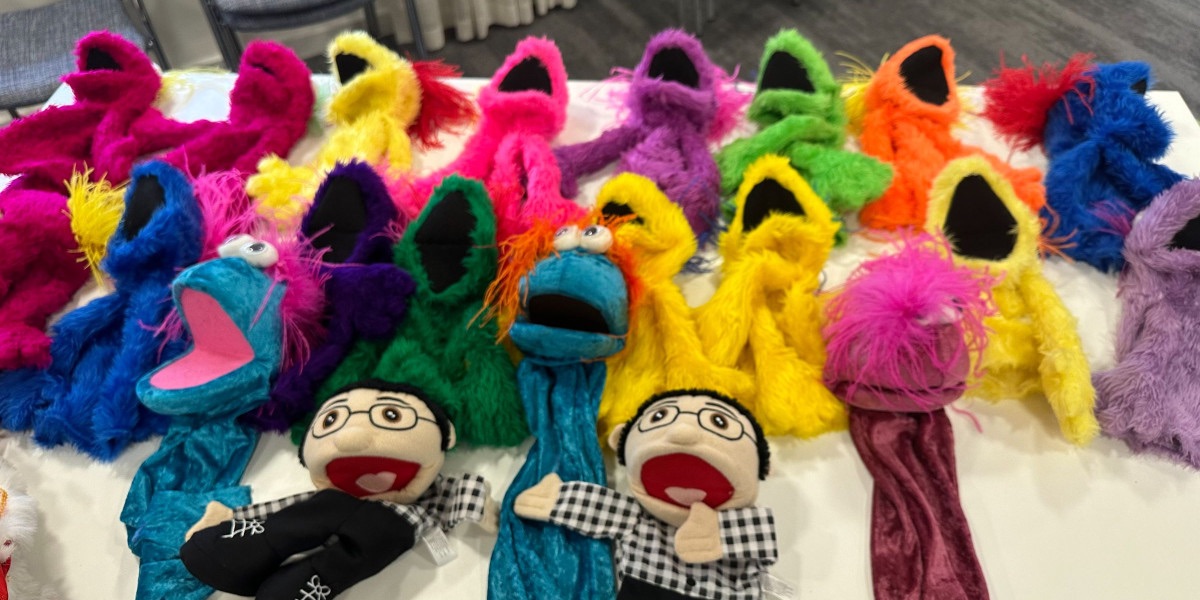
Puppetmaking? In Melbourne or Sydney?
Great activities for Term 4- In Sydney - Aussie Puppetry Experience - Sydney/ACT, incursion K-4.
Hands-on Puppet Workshop, Victoria, P-6 (Image above)
Other puppet ideas here
Read more →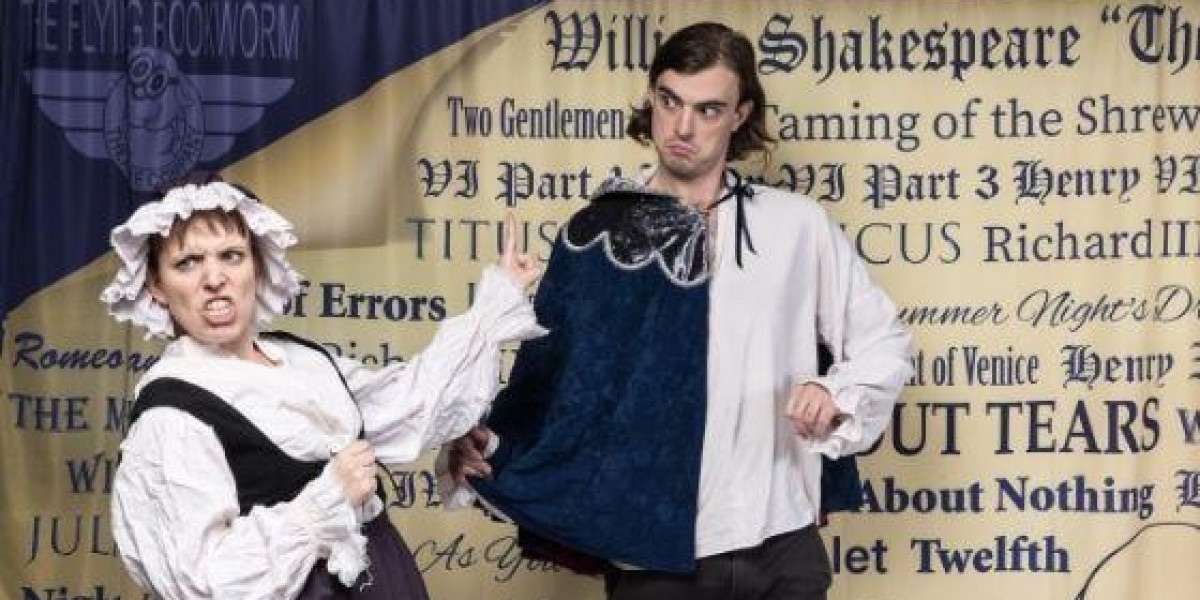
Flying Bookworm Theatre - primary and secondary incursions
There are very few incursion companies catering both to primary and secondary students. One is Flying Bookworm Theatre, who encourage delight in English and Drama for all audiences, though their focus is more for secondary students.
Touring is to Qld, NSW, ACT and Victor
Read more →